Your practical guide to auckland airport emergency serviceschina southern airlines
May 20, 2026Flying between New Zealand and China is busy again, and Auckland Airport is the main gateway. If you’re travelling on China Southern Airlines (CZ) or meeting someone who is, it helps to know how Auckland Airport’s emergency services operate, who does what in a crisis, and how passengers get support. This guide explains the essentials in clear, simple terms so you can travel with confidence.
What is
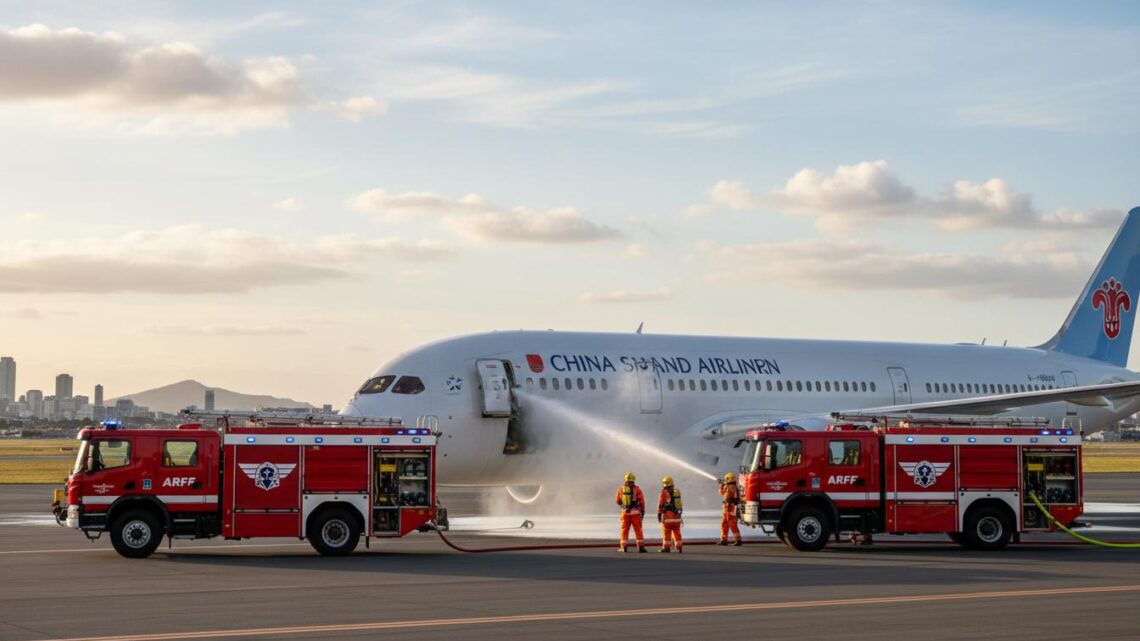
At Auckland Airport, “emergency services” refers to the on-airfield fire and rescue crews, medical first responders, security teams, and the airport’s operations control centre that coordinate any urgent event. These teams work with New Zealand Police, Fire and Emergency New Zealand (FENZ), and St John Ambulance when needed.
China Southern Airlines is a major carrier linking Auckland with Guangzhou and other Chinese hubs. When a CZ flight is involved in an incident—anything from a medical event in the cabin to a technical issue on approach—the airline’s staff, ground handlers, and network control centre coordinate closely with Auckland Airport’s emergency and operations teams to keep people safe and manage disruptions.
People often search for “auckland airport emergency serviceschina southern airlines” when they want to understand how the airport and the airline handle rare but high-stakes events and what passengers should do if plans change suddenly.
How it works
Auckland Airport follows tested procedures built on international aviation standards. The response depends on the situation—on the airfield, at the gate, or inside the terminal—but the building blocks are consistent.
- Detection and alert: A call from the flight deck, a radio call from ground staff, a passenger report, or automated alarms start the process.
- Dispatch: The Airport Emergency Service sends the right crews—fire and rescue for airfield incidents; medical first responders for health events; security leads for safety and evacuation.
- Coordination: The Airport Operations Control Centre (AOCC) activates a joint response and liaises with NZ Police, FENZ, and St John if needed.
- Airline role: China Southern’s airport team and duty managers provide passenger manifests, special-assistance lists, language support, and care provisions. Their operations centre manages aircraft decisions (return to gate, diversion, or delay) and downstream connections.
- Passenger care: If a disruption occurs, the airline leads rebooking, hotels, and meal vouchers as per policy. The airport manages crowd flow, wayfinding, and terminal safety.
- Recovery: Once the scene is safe, services resume. The airline updates customers, and investigations follow regulatory requirements.
What passengers should do in an emergency
- Follow crew or staff instructions immediately. They are trained for these events.
- Leave bags behind if told to move or evacuate. Time matters.
- Use marked exits and keep clear of restricted areas and vehicle lanes.
- If you need medical help, tell staff or dial 111 from your mobile and state “Auckland Airport”.
- For flight changes, wait for airline instructions at the gate or via the China Southern app/website. Do not rejoin security lines until told.
- Keep your ID, boarding pass, and medications on your person at all times.
Types / examples
Below are realistic scenarios that illustrate how Auckland Airport emergency services and China Southern Airlines coordinate.
Medical event on a CZ flight at the gate
- Cabin crew request medical support. Airport responders arrive with equipment.
- If needed, St John Ambulance transfers the passenger to hospital.
- China Southern may delay boarding or swap aircraft if timing stretches.
Precautionary return after take-off
- The flight returns due to a technical alert. Airfield fire and rescue stand by.
- After landing, engineers inspect. The airline reorganises connections and care.
Terminal alarm or localised evacuation
- Security leads the response; passengers in the affected zone move as directed.
- Flights may be held briefly. The airline updates customers as soon as clearance is given.
Severe weather and tarmac delays
- Operations may pause for lightning or crosswinds. Safety vehicles check the field.
- The airline manages crew duty limits, fuel needs, and meal service rules during delays.
Pros and cons
Understanding the strengths and trade-offs helps set expectations.
Advantages
- Specialist on-airfield responders for rapid aircraft incidents.
- Integrated command structure with NZ emergency agencies.
- Regular drills that include airlines and ground handlers.
- Clear handovers from emergency response to passenger care.
Limitations
- Safety perimeters can slow baggage return and terminal access during an incident.
- Information may be limited at first while crews stabilise the scene.
- Global disruptions ripple across long-haul networks; rebooking can take time.
- Language support may require additional staff; China Southern usually provides Mandarin and English assistance, but peak events stretch resources.
How to use or choose
Here’s how to navigate support channels and make practical choices before and during travel on China Southern through Auckland Airport.
Before you fly
- Install the China Southern app (IATA: CZ) and enable notifications for gate and schedule changes.
- Add your mobile number and email to the booking so alerts reach you quickly.
- Carry essential meds, ID, and chargers in your small personal item.
- Consider travel insurance that covers delays, accommodation, and medical costs; New Zealand does not have an EU261-style compensation scheme.
- If you have a health condition, request special assistance in advance through the airline.
At the airport
- For urgent medical or safety concerns, notify airport staff or dial 111.
- Look for China Southern’s counters in the international terminal for ticketing and disruption help.
- Use airport screens and the airline app together; the app often updates first.
If plans change suddenly
- Stay within the area staff direct you to; leaving secured zones can delay re-screening.
- If you booked via a travel agent, they can assist with rerouting once the airline confirms options.
- Keep receipts for reasonable expenses; claims go to your insurer or the airline per policy and the Montreal Convention.
Comparison: who leads, who helps, what you should do
| Scenario | Lead at Auckland Airport | China Southern role | What passengers should do |
|---|---|---|---|
| Aircraft returns with technical alert | Airport fire and rescue; AOCC coordinates | Ops control decides onward plan; ground team manages gate | Wait for instructions; keep documents handy; monitor app |
| Medical emergency on board at gate | Airport medical responders; St John if needed | Identify affected travellers; adjust boarding | Give space to responders; inform crew if you can assist |
| Terminal evacuation alarm | Security and NZ Police as required | Protect manifests; pause boarding; update customers | Follow evacuation routes; re-enter only when cleared |
| Fuel spill on apron | Airport fire and rescue; FENZ support | Delay pushback; coordinate stand change | Remain in waiting area; expect revised gate |
| Severe weather ground stop | Airport operations and air traffic control | Manage crew duty times; arrange care if extended | Conserve device battery; check rebooking options in app |
FAQ
What should I do if there’s an emergency at Auckland Airport while I’m on a China Southern flight?
Follow crew or staff directions immediately, leave bags if told to move, and use marked exits. For medical issues, ask staff or call 111 and clearly state your location. For flight changes, wait for China Southern updates at the gate or via the app.
Who runs emergency response at Auckland Airport?
The Airport Emergency Service leads on-airfield fire and rescue and medical first response. They coordinate with NZ Police, FENZ, and St John through the airport’s operations control centre.
How does China Southern communicate during disruptions?
Through gate announcements, SMS/email, and the China Southern app and website. If you booked via an agent, they may also contact you once the airline confirms options.
Will I get compensation if my flight is delayed due to an airport emergency?
Compensation depends on airline policies and your fare rules. New Zealand does not have EU261-style compensation; the Montreal Convention may apply for certain losses. Keep receipts and check with your insurer and the airline.
Where can I find medical help in the terminal?
Speak to any airport staff member or use an information desk; they can summon responders. For life-threatening emergencies, dial 111 from your mobile.
What happens to checked bags after an evacuation or aircraft return?
For safety, baggage handling may pause. Once cleared, bags are returned to the belt or reloaded. China Southern will advise whether to collect or stay airside.
Does Auckland Airport run drills with airlines like China Southern?
Yes. Regular exercises test joint procedures with airlines, ground handlers, and NZ emergency services to keep responses sharp.
Is language support available for Mandarin speakers?
China Southern typically provides Mandarin and English assistance. During large-scale events, staff availability may vary; digital channels and signage help bridge gaps.
Key takeaways
- Auckland Airport emergency services respond fast, coordinate with national agencies, and stabilise the scene.
- China Southern Airlines manages passenger care, aircraft decisions, and onward travel plans once it’s safe.
- Passengers should follow instructions, keep essentials with them, and use the China Southern app for updates.
With a clear picture of how auckland airport emergency serviceschina southern airlines operations fit together, you can prepare smartly, react calmly, and keep your journey on track—even when the unexpected happens.