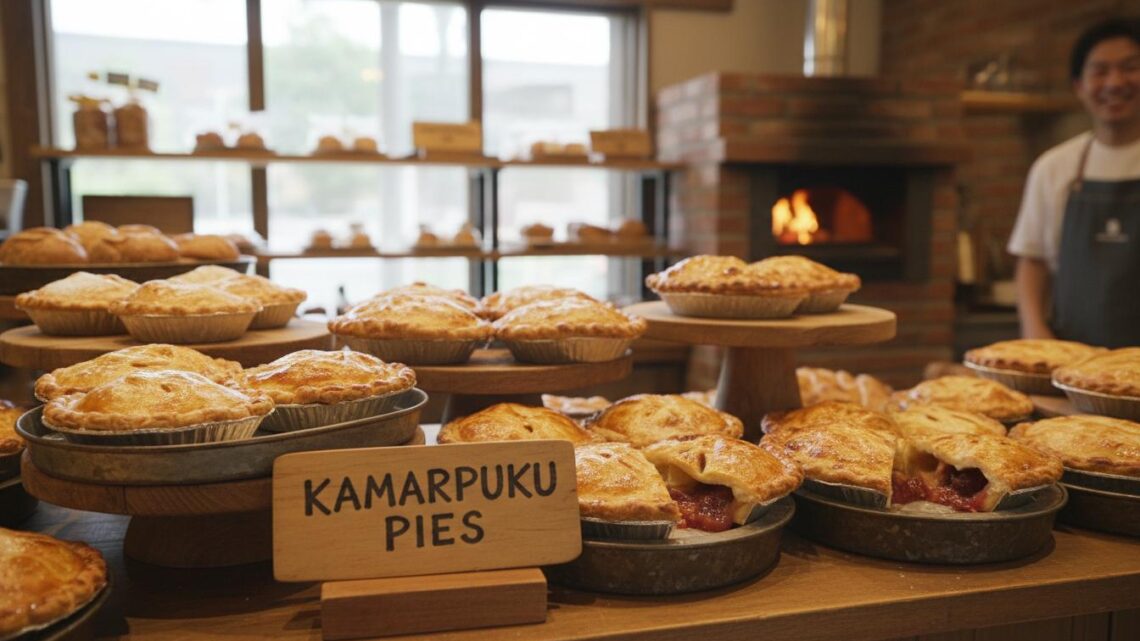
Kamarpuku pies: the hearty Kiwi pie style everyone’s talking about
May 29, 2026New Zealand runs on pies. At footy, in a servo, or on a windswept road trip, a good pie is the warm hand-shake of Kiwi food culture. Lately, you may have seen “kamarpuku pies” on bakery boards and social feeds. What are they? In short: big, belly-filling pies with generous savoury fillings and a proper pastry lid that keeps its crunch. This guide explains what the term means, how these pies are built, what to expect, how to choose a good one, and the best ways to heat and eat them.
What is
Kamarpuku pies is an informal term used in Aotearoa for pies made to truly fill the puku—your belly. It’s not a protected style or a single brand. Think of it as a local shorthand for a substantial, well-stuffed savoury pie with honest ingredients and a satisfying finish.
A few points that define the idea:
- Generous filling: more meat, veg, or legumes; less empty air.
- Sturdy base, flaky lid: shortcrust or robust all-butter base to hold juices; flaky puff or rough puff on top.
- Slow-cooked flavour: gravies reduced for depth, not thickened into glue.
- Kiwi tastes at heart: classic mince-and-cheese through to regional takes like kūmara, watercress, or pāua where offered.
Because kamarpuku pies is a colloquial label, you’ll see variations. Some bakers lean rustic and chunky; others go glossy and gourmet. The common thread is weighty comfort that eats like a proper meal.
How it works
The anatomy of a belly-filling pie
- Base pastry: Shortcrust or a hybrid dough resists sogginess. It’s docked and sometimes blind-baked to set structure.
- Lid pastry: Laminated layers puff and crisp. Steam vents stop blowouts and help the crust stay flaky.
- Filling: Slow braises, minced beef with cheese, creamy chicken, or veg-powered mixes. Starch from flour, potato, or reduced stock binds juices without gumminess.
Texture and temperature
- Moisture balance: Enough gravy to be lush, not so much that it floods the crust.
- Heat path: Reheating from the outside in—oven or air fryer—re-crisps pastry while warming the core.
- Food safety: Aim for a steaming-hot centre. At home, that means heating until the middle is piping (about 75°C if you use a thermometer).
Reheating that keeps the crunch
- Oven: 170–190°C for 15–25 minutes from chilled (longer if large). Place on a tray; no foil over the top unless browning too fast.
- Air fryer: 160–170°C for 8–15 minutes. Great for reviving a soft lid.
- Microwave (only if you must): Short bursts to warm the centre, then finish in a hot oven or air fryer to re-crisp.
Types / examples
Because kamarpuku pies describes an approach rather than one recipe, you’ll find it across classic and contemporary fillings. Examples you might see in New Zealand:
Kiwi classics
- Mince and cheese: Savoury mince with a sharp cheddar melt. The yardstick for many pie lovers.
- Steak and cheese: Chunky beef, reduced gravy, generous cheese cap.
- Potato-top: Mince base with a ridged mash crown, baked until golden.
- Bacon and egg: Picnic-friendly, set egg with streaky bacon and flaky pastry.
Contemporary favourites
- Butter chicken: Creamy, mildly spiced curry in a crisp shell.
- Lamb, rosemary, and mint: Slow-cooked shoulder, herby and rich.
- Mushroom and blue cheese: Umami and tang for vegetarians and bold palates.
Regional and Māori-influenced twists (availability varies)
- Hāngī-style: Smoky pulled meats and root veg inspired by hāngī flavours.
- Kūmara and watercress: Sweet, earthy kūmara with peppery greens.
- Pāua pie: Tender slices in a creamy sauce—iconic where offered.
Whatever the filling, kamarpuku pies aim for generosity. If it doesn’t feel like a meal, it’s not the idea.
Pros and cons
Pros
- Satisfying portions that can replace a full lunch.
- Broad flavour range, from dairy classics to seafood and vegan options.
- Travel-friendly and easy to reheat without fuss.
- Supports local bakeries and New Zealand ingredients.
Cons
- Heavier: More calories and sodium than a light snack.
- Price can be higher than a standard small pie.
- Inconsistency: Because it’s an informal label, quality varies by bakery.
- Allergens: Many contain gluten, dairy, and sometimes nuts or shellfish—check before you buy.
How to use or choose
How to choose a good kamarpuku pie (step-by-step)
- Check the weight and feel: Heft matters. A kamarpuku-style pie should feel substantial for its size.
- Scan the pastry: Look for even lamination on the lid and no soggy patches at the base.
- Read the label or ask: Meat percentage, cut type (e.g., chuck for steak pies), and real stock are good signs.
- Watch the gravy: When cut, it should be glossy and coat the filling, not pour out like soup.
- Smell and taste: You want clear, clean flavours—no raw flour notes or overpowering salt.
- Match filling to appetite: Rich steak-and-cheese for big hunger; lighter veg or chicken for a midday bite.
- Consider provenance: Bakeries that name farms, fisheries, or local growers usually care about quality.
Serving tips
- Pairings: Tomato relish, pickled onions, or a crisp slaw cut through richness.
- Portable meal: Wrap in paper, not plastic, to keep the lid from steaming soft.
- For kids: Smaller sizes or halve a large pie to avoid overfilling little bellies.
Storage and reheating at home
- Fridge: Eat within 3–4 days. Keep in an airtight container.
- Freezer: Wrap tightly; best within 2–3 months. Reheat from frozen at a slightly lower temp for longer.
- Leftovers: Cool quickly and refrigerate; reheat once only.
Comparison: kamarpuku pies vs other Kiwi pies
| Feature | Kamarpuku pies | Standard bakery pie | Restaurant/gourmet pie |
|---|---|---|---|
| Portion size | Hearty; often larger and heavier | Moderate; classic single-serve | Variable; sometimes plated with sides |
| Filling style | Generous, chunky or well-packed mince | Balanced, can be lighter on filling | Refined, complex flavours and textures |
| Pastry | Sturdy base, flaky top built to travel | Standard shortcrust/puff combo | Buttery, delicate layers; plated crisp |
| Price band | Moderate to premium | Budget to moderate | Premium |
| Best use | On-the-go, lunch-sized meal | Quick snack or light lunch | Sit-down dining experience |
| Availability | Selected bakeries, food trucks, events | Widespread: dairies, servos, supermarkets | Bistros, pubs, and seasonal menus |
FAQ
Is “kamarpuku pies” a brand or a style?
It’s a casual style description in New Zealand, not one brand. Bakeries use it to signal a belly-filling, generously packed pie.
What fillings work best for kamarpuku pies?
Slow-cooked beef or lamb, mince-and-cheese, chicken-and-leek, and vegetarian options like mushroom or kūmara. The key is flavourful, well-bound filling that doesn’t soak the pastry.
How do I reheat kamarpuku pies without making them soggy?
Use an oven or air fryer so hot air can crisp the lid and set the base. If using a microwave, finish in a hot oven for a few minutes to restore crunch.
Are there gluten-free or dairy-free kamarpuku pies?
Some bakers offer gluten-free pastry or dairy-free fillings, but availability varies. Always check labels or ask staff, especially if you have allergies.
Where can I buy them in New Zealand?
Look for independent bakeries, markets, food trucks, and deli counters. Supermarkets sometimes stock hearty, bakery-made pies in chilled sections. Local food awards and social pages are good for spotting standouts near you.
Are kamarpuku pies healthy?
They’re designed to be satisfying, so they can be energy-dense. Choose leaner fillings, look for real stock over thickeners, and pair with a salad if you want a lighter balance.
Can I freeze kamarpuku pies?
Yes. Wrap tightly, freeze promptly, and reheat from frozen at a moderate heat until the centre is steaming. Avoid repeated thawing and refreezing.
What should the pastry look like when it’s right?
Golden, with visible layers on top and a set, not greasy, base. No raw or doughy patches. When you press lightly, it flakes rather than compresses.
Do kamarpuku pies include seafood?
Sometimes. In coastal regions and specialty shops, you may find options like pāua or smoked fish. They’re usually limited and sell fast.
How can I tell a truly generous pie from a flashy label?
Heft, cut surface, and ingredient list. A real kamarpuku-style pie feels weighty, looks well-stuffed edge-to-edge, and lists clear, recognisable ingredients.
Final bite
Kamarpuku pies capture what Kiwis love about pies: proper pastry, bold flavour, and a feed that carries you through the day. If you spot them at your local, trust your eyes and your nose. Pick the one with weight, shine, and a lid that shatters into flakes. Then find a sunny spot, crack it open, and tuck in.