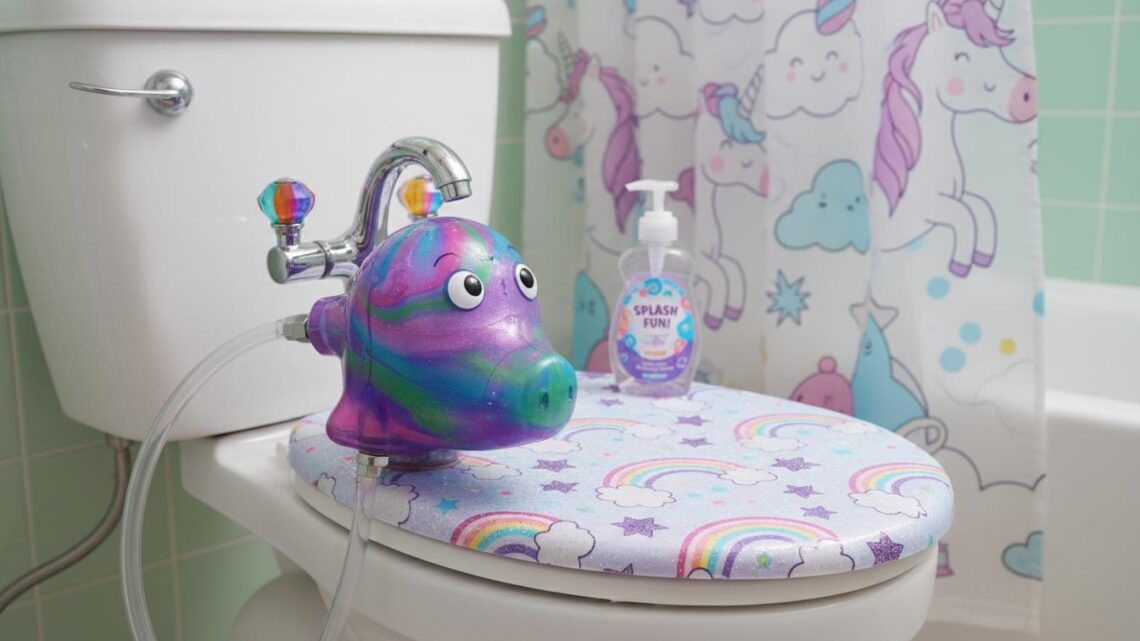
Smiggle nzbidet: A Kiwi Guide to What People Mean, Bidet Options in NZ, and How to Choose Well
June 16, 2026Typed “smiggle nzbidet” into a search bar and landed here? You’re not alone. It looks like a mash‑up: Smiggle (the colourful stationery brand popular with Kiwi kids) and “NZ bidet” (people shopping for bidets in Aotearoa). This guide unpacks that blended term, explains how bidets work in New Zealand homes, compares the main types, and shows you how to choose and use one safely—whether you’re setting up a family bathroom or simply curious about cleaner, gentler hygiene.
What is
Smiggle nzbidet is not a single product. It’s a blended search phrase people use when they’re browsing Smiggle items in NZ and, separately, looking up bidets available in New Zealand. Smiggle is a retail brand known for school bags, drink bottles, and stationery. A bidet is a toilet add‑on or seat that washes with water—common in many countries and increasingly popular across NZ for comfort, hygiene, and reduced toilet paper use.
If you came here seeking a specific item called “smiggle nzbidet,” you likely won’t find a branded product with that exact name. You will find practical advice on choosing a New Zealand‑ready bidet, plus tips that help families (yes, even those who shop at Smiggle) make bathrooms tidier and easier for kids to use.
How it works
A bidet cleans you with a gentle stream of water after you use the toilet. Instead of relying only on toilet paper, you turn a dial or press a button, and a nozzle washes the area. Some models add warm water, adjustable pressure, oscillation, or even warm air drying.
Most bidets connect to the same water line that feeds your toilet cistern. Basic attachments are non‑electric and spray cold water. Electric seats plug into a power outlet to heat water, control the nozzle, and run extras like night lights and deodorisers. Handheld sprayers mount beside the toilet and operate like a small trigger hose.
Good models self‑retract their nozzles when not in use, include a simple filter, and are designed for easy cleaning. Safety matters too: in NZ, backflow prevention is important so toilet water cannot flow back into your drinking supply. A licensed plumber can confirm compliance and fit any required device.
Types / examples
Bidets for Kiwi bathrooms come in a few common forms. Here’s how they compare for everyday use, typical installation, and budget.
| Type | Water/Electric | Install complexity | Typical cost (NZD) | Best for | Notes |
|---|---|---|---|---|---|
| Bidet attachment (under-seat plate) | Water only (cold, sometimes warm if plumbed) | Low–medium (DIY-friendly, plumber recommended for compliance) | 60–180+ | Renters, budget setups | Simple dial control; needs T-connector and sound backflow protection. |
| Electric bidet seat | Water + power (heated wash, options) | Medium (plumber + electrician for outlet as needed) | 400–1,800+ | Comfort seekers, cold-climate homes | Warm water, adjustable spray, dryer; check toilet bowl fit. |
| Non-electric bidet seat | Water only (cold or mixed) | Low–medium | 120–300+ | Simple, reliable setups | No power required; fewer features, fewer parts to break. |
| Handheld sprayer (bum gun) | Water only | Medium (must address backflow) | 40–150+ (device not incl.) | Flexible cleaning, multi-use | Great for cleaning the bowl; ensure a compliant valve is installed. |
| Portable/travel bidet (squeeze bottle) | Water only | None | 15–60 | Travel, kids, post-sport | Pack in a bag—handy for school or trips; no plumbing needed. |
Real-world examples and fits
– Attachments tuck under your existing seat and keep your toilet looking familiar. They suit households testing the waters before investing more.
– Electric seats replace your current seat and usually add a side panel or remote. They’re best when you want warm water, adjustable pressure, and a dryer.
– Handheld sprayers appeal to people who also want a quick way to rinse the bowl or clean a potty insert.
– Portable bottles are a quiet hero for festivals, school camps, or families who like the idea of a gentle clean away from home—easy to stash in a backpack next to a lunchbox or drink bottle.
Pros and cons
Pros
- Cleaner feel and better hygiene than toilet paper alone.
- Can reduce toilet paper use and blockages.
- Gentler for sensitive skin, postpartum recovery, and some disabilities.
- Child-friendly once taught; water pressure can be kept low.
- Electric seats add comfort in winter with warm water and heated seats.
Cons
- Upfront cost and, for some models, installation by a professional.
- Cold-water-only options can feel brisk in winter.
- Requires regular cleaning and occasional filter/nozzle maintenance.
- Electric seats need a safe power point and obey wet‑area rules.
- Not every toilet bowl shape is compatible with every seat.
How to use or choose
How to choose the right bidet in NZ
- Measure your toilet: check the distance between the bolt holes and the front of the bowl. Confirm whether your pan is round or elongated and match it to the manufacturer’s fit chart.
- Decide on features: if you want warm water, a dryer, or a softer spray for kids, consider an electric seat. If you prioritise budget and simplicity, look at a non‑electric attachment.
- Plan installation: most setups need a T‑connector at the toilet water line. In NZ, backflow prevention matters; get a licensed plumber to confirm the right device for your home.
- Check power: for electric seats, you need a nearby RCD‑protected outlet compliant with AS/NZS 3000. A licensed electrician should install it if you don’t already have one.
- Think maintenance: removable nozzles, self-cleaning functions, and easy‑wipe surfaces save time.
- Noise and controls: side dials are simple; remotes are discreet and helpful for limited mobility. For multi‑user homes, memory presets are useful.
- Budget for fittings: include hoses, brackets, filter, and any required valves. Don’t forget a plumber’s time if needed.
- Family use: look for child mode (lower pressure), soft-close lids, and safety settings that stop the spray when no one is seated.
Step-by-step: installing a basic bidet attachment
- Turn off the toilet water at the isolation valve and flush to empty the cistern.
- Remove the toilet seat by undoing the two seat bolts.
- Place the bidet attachment on the bowl, align the brackets with the bolt holes, and loosely re‑fit the seat so you can adjust alignment.
- Disconnect the water hose from the cistern inlet, fit the T‑connector to the inlet, then reconnect the cistern hose to the top of the T.
- Attach the bidet hose to the side of the T‑connector and to the bidet unit. Hand‑tighten, then snug with a spanner without over‑tightening.
- Ensure any required backflow prevention is in place as per NZ plumbing rules. If in doubt, stop and call a licensed plumber.
- Open the isolation valve slowly and check all joints for leaks using a dry tissue.
- Test the spray while seated. Start with the lowest pressure and adjust as needed.
Tips for kids and shared bathrooms
- Start with a gentle pressure setting and short sprays. Demonstrate first.
- Place a small hand towel within reach for drying, or keep a low‑pile towel on a hook labelled for the purpose.
- Use simple labels or a colour dot on the control dial/button that marks the ideal kid setting.
- Teach “clean, then dry, then flush” as a short routine.
Searching smiggle nzbidet sometimes signals parents planning school gear and bathroom upgrades at the same time. A tidy caddy, a step stool, and a gentle bidet setting can make a child’s bathroom routine calmer and more independent.
FAQ
Does a product actually called “smiggle nzbidet” exist?
No. The phrase smiggle nzbidet is a blended search term. Smiggle sells stationery and accessories; bidets are bathroom fixtures or add‑ons. You can buy them separately in NZ, but not as a single branded item with that name.
Do I need an electrician for an electric bidet seat?
If you don’t already have a compliant outlet near the toilet, yes. In NZ, wet‑area power must follow AS/NZS 3000 and be RCD‑protected. Use a licensed electrician.
Can tenants install a bidet?
Often, a removable attachment can be installed without altering the toilet permanently. However, any plumbing modification and backflow device should be handled by a licensed plumber and may require landlord consent. Check your tenancy agreement first.
Is warm water possible without electricity?
Some non‑electric units can connect to a nearby basin’s hot and cold lines through an approved mixing valve. In all cases, follow NZ plumbing rules and ensure proper backflow protection.
Will a bidet reduce toilet paper use?
Most households use less. Many people still keep a little paper for drying, or they rely on a seat’s warm‑air dryer. Either way, expect softer skin and fewer blockages.
What maintenance is required?
- Wipe the seat and controls with a mild cleaner weekly.
- Rinse or replace filters as recommended by the manufacturer.
- Use the nozzle self-clean function and descale if you have mineral build‑up.
- Check hoses and joints for damp patches after the first week and every few months.
How do I check compatibility with my toilet?
Measure the distance between the mounting bolt holes and the space from the bolts to the front edge. Compare those numbers with the seat maker’s fit guide. If your cistern or bowl is very compact, choose a slimline attachment or a model designed for short pans.
What about safety and backflow in NZ?
Backflow prevention is essential. Depending on the product (attachment, sprayer, or seat), you may need an approved backflow device fitted. A licensed plumber can confirm the correct setup for your home and ensure it aligns with New Zealand requirements.
Any quick buying checklist for Kiwis?
- Pick the type: attachment, non‑electric seat, electric seat, sprayer, or portable.
- Match the shape and measurements to your toilet.
- Confirm installation needs: plumber, electrician, fittings, and backflow device.
- Choose features you’ll actually use: warm water, dryer, night light, remote.
- Set a budget that includes parts and installation, not just the headline price.
Final thoughts
Whether your original query was purely playful—smiggle nzbidet—or you honestly need a bidet that suits a New Zealand home, the path is simple: decide your must‑have features, confirm fit and compliance, and install with care. The right choice turns a routine moment into a cleaner, calmer habit for everyone in the house.