The eat well for less nzrubbish bin Strategy: Cut Food Waste and Save in Kiwi Kitchens
June 3, 2026Too much good kai ends up in the bin. That wastes money, time, and effort. The idea behind an “eat well for less nzrubbish bin” is simple: set up a smart rubbish-and-scraps system that makes it easier to use what you buy, eat better, and throw away less. This guide shows you what it is, how it works, the best bin types for New Zealand homes, and how to set one up fast.
What is
The phrase “eat well for less nzrubbish bin” is not a branded product. It’s a practical, New Zealand–focused approach to kitchen waste. You design your bin setup so that food scraps, recycling, and true rubbish are easy to sort. That way, you see what you waste, fix habits, and keep edible food on plates, not in landfill.
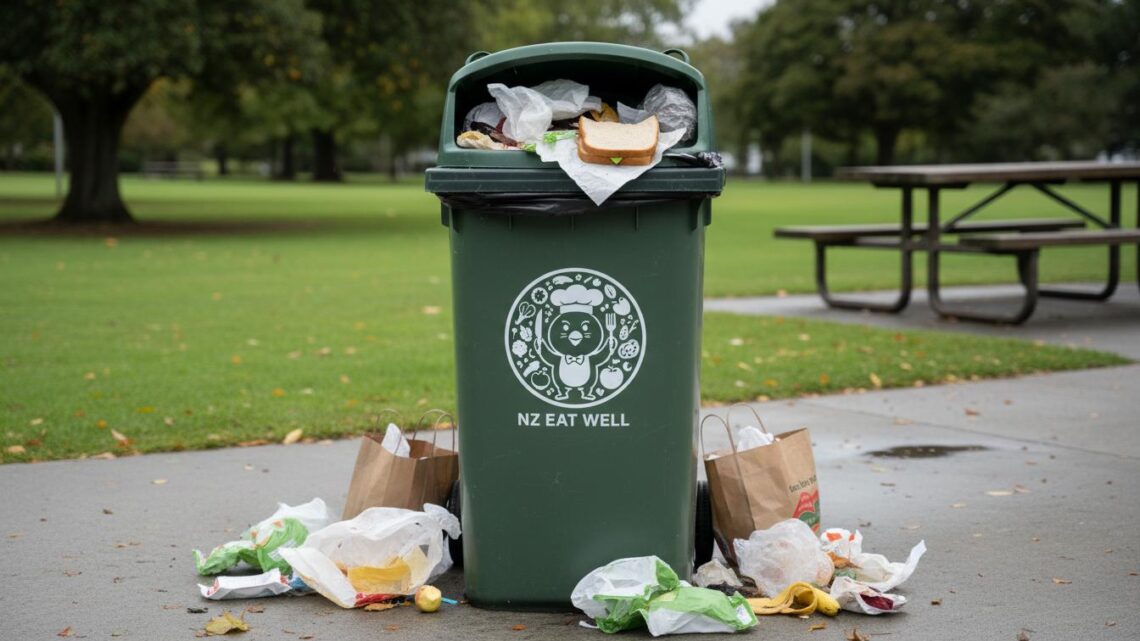
At its heart, this is a behaviour tool. A normal bin hides problems. An eat well for less nzrubbish bin system reveals them: wilting greens, forgotten leftovers, or unopened snacks. With clear sorting, labels, and simple routines, you shop smarter, cook what you have, and save money without fuss.
How it works
The system uses small design tweaks to change daily choices. You split waste into streams, make the right action the easy action, and close the loop with meal planning and storage habits.
The three-stream setup most NZ homes can use
- Food scraps: a caddy on the bench and a larger bin or council service bin outside.
- Recycling: bottles, cans, cardboard—rinsed and flattened as your council requires.
- Rubbish: only what truly can’t be recycled or composted.
Different councils in Aotearoa have different rules for what goes where and which bins they provide. Always check your local council website for current guidance on food scraps, recycling, and rubbish services.
Habits that make the bin system actually save you money
- Keep a “use-first” box in the fridge for items to eat soon.
- Label leftovers with the date. Store in clear containers so nothing gets lost.
- Cook once, plan twice: batch-cook base items (rice, roast veg, beans) you can spin into quick meals.
- Know the difference: “use-by” is about safety; “best-before” is about quality. If in doubt, follow reliable food safety advice.
- Do a fast weekly “fridge forage” before shopping to plan meals around what’s already there.
- Keep a small “snack prep” tray with cut fruit and veg so produce gets eaten, not binned.
Types / examples
Common kitchen bin setups that work in NZ
- Compact flat or apartment: a dual-compartment bin (recycling + rubbish) and a 5–7 L bench caddy for food scraps. Take scraps to a council service, community compost, or a neighbour with a worm farm.
- Family household: a three-bin station—food scraps caddy, medium recycling bin, and a smaller rubbish bin to encourage less landfill waste.
- Rural property: a sturdy kitchen caddy, outdoor compost or worm farm for scraps, sorted recycling for transfer station trips, and a tough rubbish bin with a tight lid.
- Low-space kitchen: pull-out under-sink units with two or three removable buckets for fast sorting.
Popular bin formats
- Bench-top caddy with locking lid (5–7 L): keeps smells down and is quick to reach while cooking.
- Dual-compartment pedal bin (30–60 L): side-by-side rubbish and recycling in one footprint.
- Triple-station pull-out: hides bins, keeps floors clear, and makes sorting automatic.
- Stainless steel touch-top: sleek and easy to clean, good for high-use family kitchens.
- Outdoor kerbside bin compatibility: liners and caddies that match your council’s food scraps or organics service where available.
| Bin type | Typical size (L) | Best for | Pros | Cons | Cost in NZ (approx) |
|---|---|---|---|---|---|
| Bench-top food scraps caddy | 5–7 | Daily cooking scraps | Compact, easy to empty, reduces odour if lidded | Needs frequent emptying | Low ($15–$40) |
| Dual-compartment pedal bin | 30–60 | Small homes, apartments | One unit does two streams, tidy look | Compartments can be narrow | Mid ($80–$180) |
| Triple pull-out system | 30–45 total | Renovated or modern kitchens | Hidden, intuitive sorting | Requires cabinet space and install | High ($150–$400+) |
| Outdoor food scraps bin (council-compatible) | 12–25 | Weekly kerbside collection | Rat-resistant, vented, lockable | Service availability varies by council | Usually provided or Low ($20–$80) |
| Standard rubbish wheelie bin | 80–240 | General waste only | Large capacity, easy to move | Can hide bad habits if too big | Varies (council or private) |
Pros and cons
Benefits
- Saves money by cutting food waste and highlighting what you actually use.
- Makes kitchens cleaner and less smelly with proper scraps handling.
- Supports council recycling and organics systems, reducing landfill.
- Builds simple habits the whole whānau can follow.
Trade-offs
- Takes a little bench or cupboard space for extra bins.
- Needs routine: empty the caddy, rinse containers, label leftovers.
- Upfront spend on bins or caddies (usually modest, often paid back by savings).
How to use or choose
Set up your eat well for less nzrubbish bin system in 8 steps
- Map your space: pick a spot near where you prep food for a bench caddy and under-sink or corner for recycling and rubbish.
- Start small: add a 5–7 L lidded food caddy and a compact recycling bin beside your existing rubbish bin.
- Label clearly: “Food Scraps”, “Recycling”, “Rubbish”. Keep it simple so guests and kids get it right.
- Create a “use-first” fridge box and move anything close to its date into it twice a week.
- Portion leftovers into clear containers, label the date, and stack them at eye level.
- Empty the food caddy often. If your council collects food scraps, use approved liners if allowed. If not, take scraps to compost or a worm farm.
- Right-size your rubbish bin. Smaller bins nudge better habits and reduce liners used.
- Review weekly: what ended up in the caddy or bin? Adjust your shopping list and meal plan accordingly.
How to choose the right bins for a NZ kitchen
- Capacity: for a couple, 30–40 L total indoors often works. Families may want 45–60 L across streams, with a modest rubbish bin.
- Lid and seal: choose a locking or charcoal-filter lid for the scraps caddy to reduce odour and fruit flies.
- Material: stainless steel resists smells and looks tidy; quality plastic is light and affordable.
- Footprint: dual or triple units save floor space; pull-outs hide clutter in small kitchens.
- Liners: check your council rules. Many allow paper liners for food scraps; some accept certified compostable bags; others want no liner.
- Cleaning: smooth interiors and removable buckets make rinsing quick.
- Durability: look for sturdy pedals, hinges, and a warranty for moving parts.
Where Kiwis can buy and what to check
Bins and caddies are widely available through major NZ retailers and hardware stores, as well as online. Many councils supply a kitchen caddy or outdoor food scraps bin where a service operates. Before buying, confirm your local collection rules so your setup matches accepted liners, sizes, and materials.
FAQ
Is there an official Eat Well for Less NZ rubbish bin?
No. In this guide, “eat well for less nzrubbish bin” describes a practical strategy for sorting kitchen waste to support smarter cooking and spending. It’s inspired by the same save-money, cut-waste mindset many Kiwis already follow.
What can go in a food scraps bin in New Zealand?
It depends on your council. Many accept fruit and veg peels, bread, coffee grounds, tea leaves, and cooked leftovers. Some accept meat, bones, and dairy; others don’t. Always check your council’s current list before you start.
How do I stop smells and fruit flies?
- Use a lidded caddy and empty it regularly.
- Line with paper if allowed, or wrap wet scraps in newspaper.
- Keep the caddy out of direct sun and rinse it every few days.
- Freeze smelly items (like fish scraps) and put them out on collection day.
Do I need special liners?
Not always. Some councils allow paper liners, some accept certified compostable bags, and some prefer no liner at all. If liners are allowed, choose the size that fits your caddy snugly to avoid tears and leaks.
What if my council doesn’t collect food scraps?
- Start a backyard compost or worm farm if you have space.
- Share scraps with local community gardens or compost hubs where accepted.
- Focus on prevention: meal plan, portion sensibly, and use leftovers fast.
How does this actually save me money?
When you sort scraps and track leftovers, you see patterns: foods you buy too much of, produce that spoils, meals no one finishes. You adjust your list, buy the right amounts, and repurpose extras. Over a year, those small shifts add up to real savings.
Which bin size should a family of four choose?
As a starting point: a 6–7 L bench caddy for scraps, a 30–40 L recycling bin, and a 15–20 L rubbish bin. Adjust based on cooking style and local collections. Keeping the rubbish bin smaller often helps reduce landfill waste.
Can I run this system in a rental?
Yes. Use freestanding bins and a bench caddy. Adhesive labels come off cleanly when you move. If you want a pull-out unit, choose no-drill options that fit inside cabinets.
What about soft plastics and glass?
Rules differ by region. Many councils collect glass separately or in a specific bin/crate. Soft plastic recycling is available at selected drop-off points and may change over time. Keep a small container under the sink and empty it when you pass a collection point.
How often should I clean the bins?
Rinse the caddy every few days or when emptied. Wipe main bins weekly, and deep-clean monthly with hot soapy water. Dry fully before replacing liners to keep odours low.
Any quick wins to reduce food waste this week?
- Plan three dinners using what’s already in the fridge and pantry.
- Prep one base ingredient (like roast kumara or chicken) to use across multiple meals.
- Set up the “use-first” box and a labelled scraps caddy today.
- Freeze bread, herbs, and overripe bananas instead of binning them.
Final thoughts
You don’t need a fancy system to eat well for less—just a smart one. A clear, simple eat well for less nzrubbish bin setup helps you see what’s being wasted, build better habits, and stretch your food budget without sacrificing taste. Start small, keep it tidy, and let your bins guide smarter choices every day.