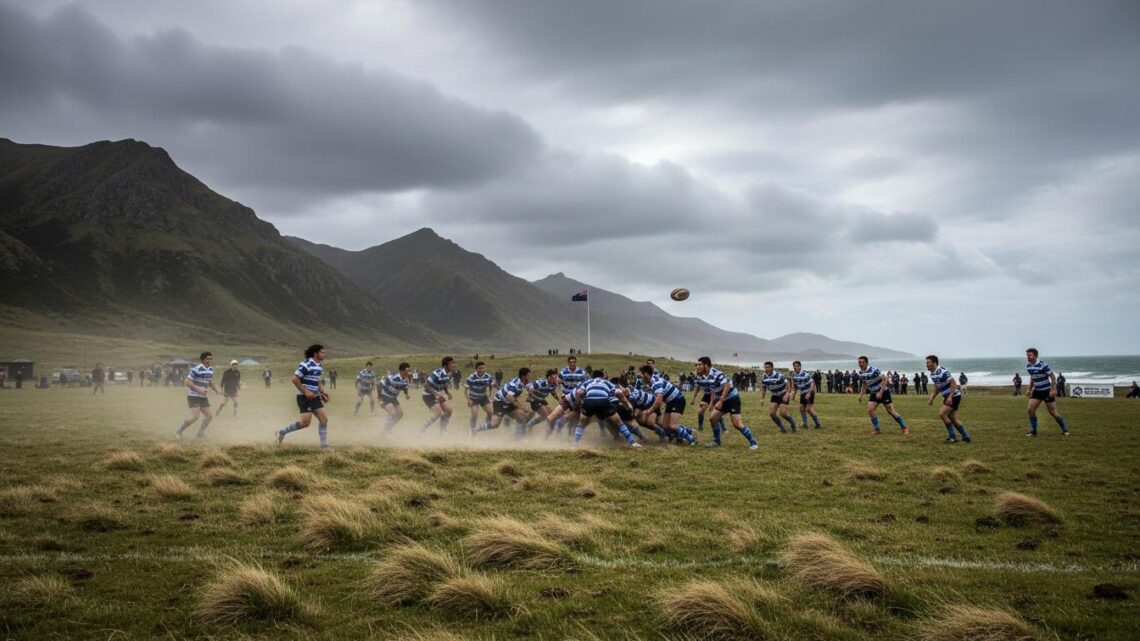
Rugby league 26windy nz: make wind your advantage on game day in Aotearoa
June 11, 2026If you’ve searched for “rugby league 26windy nz,” you’re probably trying to line up footy with real New Zealand weather. Windy grounds, late‑season fixtures, the Warriors on a blustery night—wind can tilt a match. This guide shows how to read wind, plan around it, and turn conditions into smart decisions, whether you’re a fan, coach, player, or punter.
You’ll learn what the term usually refers to, how wind changes rugby league tactics and outcomes, the main wind types you’ll face around New Zealand, venue-by-venue differences, and a practical method to use forecasts and on‑site clues. Keep it simple, fast, and reliable—just like a good yardage set into a headwind.
What is
“Rugby league 26windy nz” isn’t a formal brand or rule. It’s a search phrase people in New Zealand use when they want rugby league information that bakes in wind—often around specific rounds, travel weekends, or notoriously breezy cities. In short: rugby league, wind, New Zealand—all in one plan.
In practice, it means checking wind forecasts before kickoff, understanding how gusts affect kicking, passing, and set‑for‑set tactics, and then choosing seats, bets, or game plans that suit the conditions. Because in Aotearoa, wind is part of the match.
How it works
Wind changes how the ball flies and how teams manage risk. A few knots can turn a high kick into a lottery. Strong gusts can pin a side in its own end for 20 minutes. Here’s the core of it:
- Ball flight: A headwind knocks distance off kicks; a tailwind adds metres but can push the ball dead. Crosswinds bend bombs and push sideline kicks wide.
- Passing and handling: Gusts wobble long passes; short, direct shapes become safer. Spiral passes can sail; flat passes cut through.
- Territory and tempo: Teams kick earlier with a tailwind to cash in field position, then go conservative into a headwind and lean on yardage carries.
- Goal kicking: Even elite kickers struggle in a stiff crosswind. Angles and height matter more than usual; flatter, drilled strikes hold their line better.
- Stadium microclimates: Big bowls swirl (Wellington), open stands leak gusts (Christchurch), and roofed venues (Dunedin) all but delete the problem.
Put simply: wind skews the expected value of almost every kick, and everything else flows from that—possession, fatigue, and scoreboard pressure.
Types / examples
New Zealand wind shows up in a few distinct ways. Know the type, match the tactic.
Main wind types you’ll meet
- Headwind: Reduces distance; forces shorter, flatter kicks. Teams keep the ball in hand, favouring middle carries and low‑risk shapes.
- Tailwind: Adds metres; bombs and touch‑finders bite hard. But the in‑goal comes fast—expect seven‑tackle restarts if timing is off.
- Crosswind: Bends high balls; touchline conversions become tricky. Scrum‑side plays back inside are cleaner than long shifts.
- Gusty vs. steady: Steady wind can be managed; gusts punish timing. On gusty nights, fewer tricky last‑tackle plays, more percentage football.
New Zealand‑flavoured examples
- Auckland (south‑westerlies common): At Go Media Stadium Mt Smart, a moderate crosswind can push bombs toward the corners—great for contestable kicks if your chasers are set.
- Wellington (the classic northerly/southerly switch): Swirl inside Sky Stadium can turn towering bombs into chaos. Safer to kick lower and target grass, not contests.
- Christchurch (dry nor’westers possible): Long tailwinds can supercharge yardage and long touch‑finders—but balls run dead quickly on firm tracks.
- Dunedin (Forsyth Barr roof): Wind is largely neutralised. Skill levels lift; goalkicking stabilises; tactical edges shift back to execution, not weather.
Venue wind profile comparison
| Venue | City/Region | Wind exposure | Typical effect on play | Fan tip |
|---|---|---|---|---|
| Go Media Stadium Mt Smart | Auckland | Moderate; open corners can funnel crosswinds | Crosswinds skew bombs and sideline conversions | Pick lower rows behind goal for contestable‑kick view, mid‑stands for shelter |
| Sky Stadium | Wellington | High; bowl shape creates swirl | Unpredictable flight; low, drilled kicks perform better | Sit higher for overview; bring layers—wind chill bites |
| Orangetheory Stadium | Christchurch | Open; can be breezy under nor’wester | Tailwinds add metres; headwinds punish long passes | Choose leeward stands based on forecast direction |
| Forsyth Barr Stadium | Dunedin | Low; roofed | Stable kicking; higher‑tempo play | Any seat is wind‑safe; temperature can still vary |
These venues host or have hosted rugby league matches; conditions vary by event and forecast. Always check the latest local update before you commit.
Pros and cons
Advantages when it’s windy
- Tactical edge for prepared teams: Smarter last‑tackle plans and set starts earn territory.
- Value in goalkicking discipline: Two points become a premium in tough wind if your kicker adjusts well.
- Defensive pressure: Hang‑time bombs into a headwind can force errors and repeat sets.
Drawbacks to manage
- Handling errors rise: Long shifts and miracle balls get punished.
- Field position swings: A single mistimed kick can hand momentum away.
- Fan comfort: Wind chill can sap enjoyment if you’re under‑prepared.
How to use or choose
To get practical with “rugby league 26windy nz,” combine a reliable forecast with simple, on‑field adjustments. Here’s a clear template you can use every week.
Step‑by‑step: apply wind data before a rugby league match in NZ
- Check an official forecast: Start with MetService for wind speed/direction and any warnings. Cross‑check with a map‑based app if you like granular detail.
- Translate speed to impact: 10–20 km/h is noticeable; 20–35 km/h changes tactics; 35+ km/h is disruptive. Gusts matter more than averages.
- Match direction to the field: Look at stadium orientation on a map. Work out which in‑goal gets the tailwind first half.
- Adjust expectations: Fewer long shifts; more middles and short sides into a headwind. Tailwind halves should kick earlier and find turf.
- Set seat or vantage plan: Choose leeward stands if you’re in an open stadium. Bring a windproof layer even in summer in Wellington or Christchurch.
- Update close to kickoff: Winds often change late afternoon to evening. Re‑check 60–30 minutes before start.
- Watch the warm‑up: Note how bombs travel and how kickers aim. If it’s bending late, expect shorter, flatter kicks all game.
Choosing tools and tactics
- Forecast sources: Use MetService for official local forecasts; consider a second view from NIWA Weather or a global wind map app for gust patterns.
- On‑site read: Flags, corner post movement, and grass cut lines tell the truth. If posts are swaying, take the two points when offered.
- Kicking plan: Into wind—grubbers, chips to grass, or short cross‑kicks. With wind—aim deeper but reduce height to avoid overcooking it.
- Set starts: Forwards tighten lines; halves call simpler shapes. Clean play‑the‑ball speed beats fancy passes on gusty nights.
- Discipline: Piggy‑backs hurt more in wind. Keep penalties down and accept the safe option on tackle five.
- Selection: If conditions are forecast rough, consider an extra yardage winger over a pure finisher; pick a hooker with a dependable short kicking game.
Fans, analysts, and community coaches can all use the same process. The only difference is how deep you go: a casual check for seating comfort, or a full match script for tactics.
FAQ
What does “rugby league 26windy nz” actually mean?
It’s a search phrase people use when they want rugby league information tied to New Zealand wind and weather—things like how wind affects kicking, which venues are breezy, and how to plan around it.
How much wind starts to change a rugby league game?
Around 20 km/h you’ll notice kicks dropping short or drifting. Past 30 km/h, game plans shift: more conservative into the wind, more territory plays with it. Gusts above the average are the real disruptors.
Does a roofed stadium remove wind from the equation?
Mostly, yes. At Forsyth Barr Stadium in Dunedin, wind impact is minimal, so skill and execution decide more than weather. Temperature and humidity can still matter.
Is wind an advantage for home teams like the Warriors?
Only if they prepare well. Familiarity with local gust patterns helps, but the real edge comes from kick selection, chase organisation, and discipline.
What should goalkickers change on windy nights?
Lower the trajectory, aim inside the near upright against the wind’s push, and add strike through the ball. Routine and tempo matter—don’t fight the gust at the top of the run‑up.
How can fans pick better seats for a windy match?
Check forecast direction, then choose the leeward side of the ground. In bowls like Sky Stadium, sit higher for sightlines and bring a windproof layer. In Auckland, mid‑tier seating at Mt Smart offers more shelter than open corners.
Do windy conditions change scoring totals?
Often, yes. Crosswinds can lower conversion rates; headwinds reduce long‑range penalties and field goals. Tailwinds can inflate yardage and tries if teams handle the risk. Totals depend on how both sides adapt.
Where do I check reliable wind forecasts in New Zealand?
Start with MetService for official local forecasts. NIWA Weather and global wind map apps can add detail on gusts and timing. Re‑check within an hour of kickoff.
Final word
Rugby league is a territorial game, and wind is the hidden defender—or the extra runner—on every set. Use “rugby league 26windy nz” as a reminder to fold weather into your prep: check the forecast, map the wind to the ground, choose tactics that fit, and enjoy a smarter night at the footy. When the breeze picks up, be the one who’s ready.