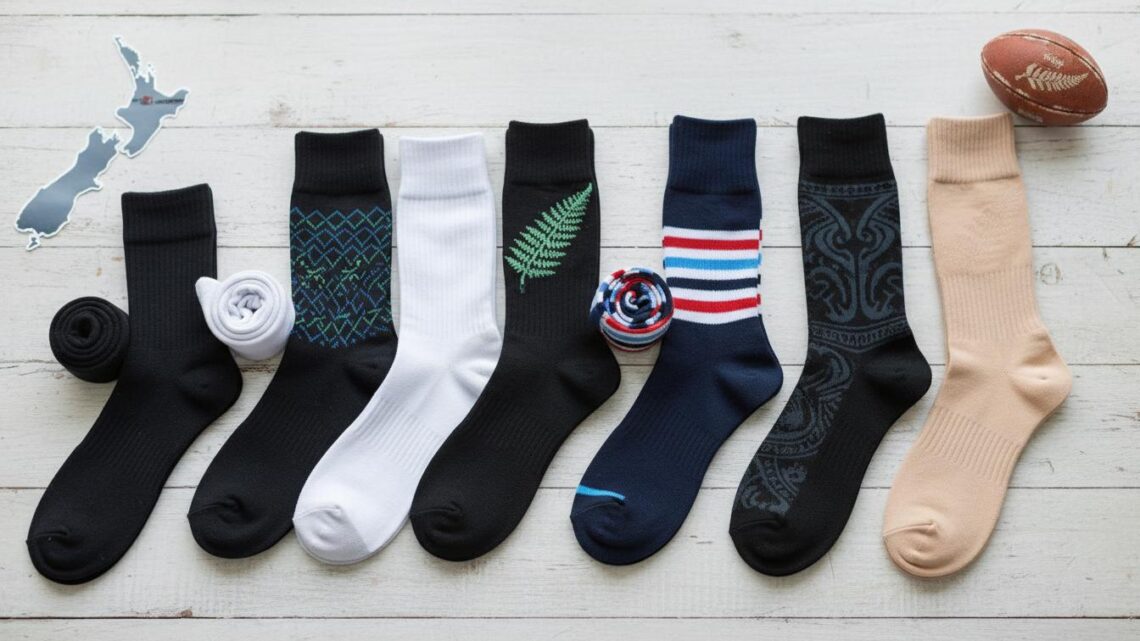
Your Guide to give a littlecompression socks nz: Compression Socks in New Zealand
May 17, 2026Long flights to or from Aotearoa. Back-to-back shifts on your feet. Weekend runs or hikes that leave your calves heavy. If your legs are swelling or feeling tired, compression socks can help. If you ended up here after typing “give a littlecompression socks nz,” you’re in the right place. This plain-English guide explains what compression socks are, how they work, the types available in NZ, the real pros and cons, and how to choose the right pair for your life.
What is
Compression socks are snug-fitting socks designed to apply controlled pressure to your lower legs. The pressure is usually highest at the ankle and decreases up the calf. This “graduated” squeeze supports blood flow back to the heart, helps reduce swelling, and can ease the heavy, achy feeling that comes from standing, sitting, or travelling for long periods.
You’ll see them used by nurses, retail staff, tradies, runners, frequent flyers, people with varicose veins, and some who are pregnant. They’re not a cure-all, but for many New Zealanders they make daily life—and long-haul trips—more comfortable.
How it works
When you stand or sit still, blood can pool in the veins of your lower legs. Graduated compression helps counter that by gently narrowing the vein diameter and nudging blood upward. That:
- Supports the calf “muscle pump,” which is your body’s natural system for moving blood back to the heart.
- Reduces excess fluid leaking into tissues, so you see less swelling around the ankles.
- Can cut the “bounce” of muscles during running, which some athletes feel aids comfort and recovery.
On long flights—a fact of life for many Kiwis—compression socks can lower the risk of leg swelling and may help reduce the chance of travel-related clotting for some people. They must fit correctly to be useful, and they are not right for everyone, especially if you have arterial disease or certain skin conditions. If you have circulation problems, diabetes with neuropathy, or a history of clots, talk to your GP or practice nurse before using medical-grade compression.
Types / examples
By compression level (mmHg)
- Light (8–15 mmHg): Everyday comfort, mild tired legs, light travel support.
- Mild (15–20 mmHg): Frequent flyers, standing jobs, mild swelling, sport recovery.
- Moderate (20–30 mmHg): Varicose vein symptoms, post-injury guidance, pregnancy-related swelling—usually on clinician advice.
- Firm (30–40 mmHg+): Specific medical conditions; fitting and use should be supervised by a healthcare professional.
By length and design
- Ankle or crew: Light support for sport or daily wear.
- Knee-high: The most common for travel, work, and medical use.
- Thigh-high/pantyhose: Used when swelling or symptoms extend above the knee.
- Open-toe: Useful if you prefer toe freedom or need to check circulation.
- Maternity tights: Designed to accommodate a growing belly while providing leg support.
- Calf sleeves: Popular with runners; note they don’t support the foot/ankle area.
By activity
- Travel socks: Focused on swelling control and comfort during long-haul flights.
- Everyday/work socks: Durable fabrics for long hours standing—healthcare, hospitality, retail.
- Medical stockings: Precisely graded, often prescribed or fitted in clinics.
- Sport compression: Breathable, wicking materials; some come in merino blends for NZ conditions.
Where New Zealanders buy
Compression socks are widely available through pharmacies, podiatry and physio clinics, sports retailers, and reputable NZ online stores. Sports brands like 2XU and CEP are common for training and recovery. Medical-grade options from established hosiery makers (for example, Jobst, Sigvaris, Medi) are typically found via clinics and specialist providers that can fit you properly. Prices vary with compression level and materials—light travel or sport pairs often cost less than medical-grade stockings.
| Compression level | Typical use | Pros | Watch-outs |
|---|---|---|---|
| 8–15 mmHg (Light) | Daily comfort, mild fatigue, short flights | Easy to put on, breathable, affordable | Too gentle for moderate swelling |
| 15–20 mmHg (Mild) | Long-haul travel, standing jobs, sport recovery | Good all-rounder, widely available | Must be sized correctly for best effect |
| 20–30 mmHg (Moderate) | Varicose veins symptoms, pregnancy swelling (on advice) | Stronger symptom control | Harder to don; medical advice recommended |
| 30–40 mmHg+ (Firm) | Specific medical indications | Maximum therapeutic effect | Clinical fitting essential; not for everyone |
Pros and cons
Pros
- Helps reduce ankle and calf swelling after long periods of sitting or standing.
- Can ease that heavy, aching leg feeling at the end of a shift or flight.
- Useful for long-haul travel common for NZ residents and visitors.
- Supports comfort and recovery for runners and hikers.
- Wide choice of fabrics, including breathable and merino-blend options.
Cons
- Not suitable for certain circulation conditions; check with a clinician if unsure.
- Poor sizing can cause discomfort or leave marks that indicate too much pressure.
- Warm in summer if you pick thick, non-breathable fabrics.
- Medical-grade pairs cost more and take practice to put on correctly.
How to use or choose
Step-by-step: getting the right fit and making them work
- Measure in the morning. Swelling is lowest after waking. Note ankle circumference (narrowest point), calf circumference (widest point), and lower-leg length (floor to knee crease).
- Match the size chart. Each brand differs. Use your measurements—not shoe size alone—to pick the correct size.
- Choose compression level. For travel and general comfort, many people start at 15–20 mmHg. For medical needs, ask your GP, midwife, or physiotherapist.
- Pick the length. Knee-high works for most. Go thigh-high or tights only if your symptoms extend above the knee and a clinician suggests it.
- Select fabric. For hot days, choose lighter, moisture-wicking knits. For cooler NZ winters or tramping, consider merino blends.
- Put them on properly. Turn the sock inside out to the heel, slide the foot in, then roll up the leg. Smooth wrinkles. Don’t fold the top band.
- Wear at the right times. For flights, put them on before boarding and keep them on until a few hours after landing. For work, wear during your shift. Most people remove them for sleep unless a clinician says otherwise.
- Care for longevity. Gentle wash, no high heat, avoid fabric softeners. Replace pairs when the fabric loosens (typically every 3–6 months with regular use).
Buying tips for New Zealanders
- Try before you buy if possible, especially for 20–30 mmHg and above. A proper fit beats any marketing claim.
- Check return policies. Many NZ retailers allow exchanges on unopened hosiery if sizing is off.
- Mind sizing systems. NZ sizing often follows UK shoe sizing; always refer to the brand’s measurement chart.
- For pregnancy, consult your midwife or GP about level and length—your needs can change across trimesters.
- For sport, look for breathable panels and graduated compression rather than uniform squeeze.
- For long-haul flights, combine compression with movement: walk the aisle when possible, flex ankles, stay hydrated.
- If you have a known vascular condition, diabetes with neuropathy, or skin fragility, seek clinical guidance before buying.
- Shop from reputable NZ sellers to ensure you’re getting genuine, correctly graded products.
FAQ
What does the phrase “give a littlecompression socks nz” refer to?
It looks like a mashed-together search for compression socks in New Zealand. If you were aiming for Givealittle (a NZ fundraising platform) plus compression socks, double-check the spelling. If you’re here to buy or learn about compression socks in NZ, the guidance on this page has you covered.
Do compression socks really help on long flights?
They can reduce leg swelling and discomfort, and they’re often recommended for long-haul travel. People at higher risk of clotting should ask their GP about using the right compression level alongside other precautions.
Can I wear compression socks to bed?
Most people don’t need them during sleep. Night use is typically only on clinician advice for specific conditions.
How tight should they feel?
Snug but not painful. You should not feel numbness, tingling, or sharp pressure points. If you do, remove them and recheck sizing or seek advice.
What size should I get in NZ?
Follow the brand’s chart using your ankle and calf measurements, taken in the morning. NZ shoe sizes often mirror UK sizing, but don’t rely on shoe size alone for compression socks.
How many pairs do I need?
Two or three pairs make rotation easy so each can dry fully between wears and last longer.
Are medical-grade stockings available in New Zealand?
Yes. Pharmacies, specialist hosiery providers, and clinics supply medical-grade options. For 20–30 mmHg or above, professional fitting is a good idea.
Are calf sleeves as effective as full socks?
Calf sleeves support the calf muscles but don’t compress the foot and ankle. For travel or swelling around the ankle, full socks are usually better.
Will compression socks stop varicose veins?
They don’t prevent or cure varicose veins, but they can ease symptoms like aching and swelling. For treatment options, see your GP or a vascular specialist.
How do I wash them?
Gentle wash, cool water, no fabric softener, and air dry. Heat and softeners degrade elastic fibres.
When should I avoid compression socks?
If you have significant peripheral arterial disease, severe neuropathy, untreated skin infections, or ulcers, seek medical advice before using compression.
What’s the lifespan of a pair?
With regular use, expect around 3–6 months before compression relaxes. Rotate pairs and follow care instructions to prolong life.
Can I use them for running?
Many runners use mild-to-moderate compression for comfort and recovery. Choose graduated sport designs with breathable fabric.
Where can I buy compression socks in NZ?
Pharmacies, sports retailers, and reputable NZ online stores carry a range—from light travel socks to medical-grade stockings. If you need stronger compression, ask a clinic for fitting.
If you were searching for give a littlecompression socks nz, now you know exactly how to choose the right pair, fit them properly, and use them with confidence—whether you’re pacing hospital corridors, catching a red-eye to London, or clocking weekend kilometres on the Port Hills.